

End of Debate: What Old Money ACTUALLY Dresses Like

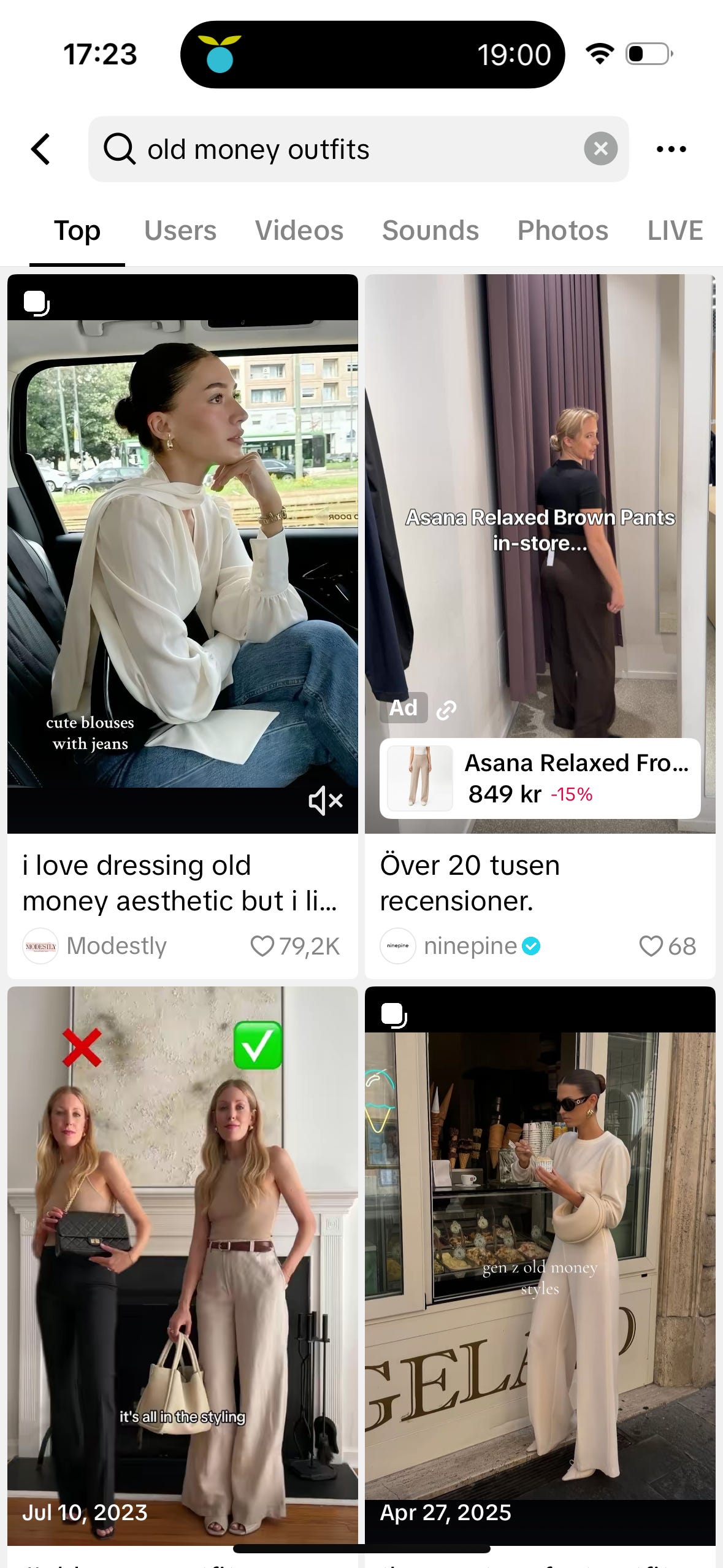
Old money has become one of the most recognisable aesthetics of the last few years. On TikTok alone, millions of videos are tagged with #oldmoney and #oldmoneyaesthetic, offering tutorials on how to look like you summer in Lake Como, winter in Gstaad, and have never checked a price tag in your life.
Pinterest is full of blog posts celebrating “old money” and “quiet luxury.”
As someone who values timeless style, I’m always on the lookout for outfit inspiration that evokes refinement, sophistication, and just a touch of luxury. Lately, I’ve been obsessed with the old money aesthetic—think Blair Waldorf from Gossip Girl or the Hamptons socialite. It’s a look that manages to be both elegant and effortlessly chic.
Jailynn Taylor
This is one of the images she used:
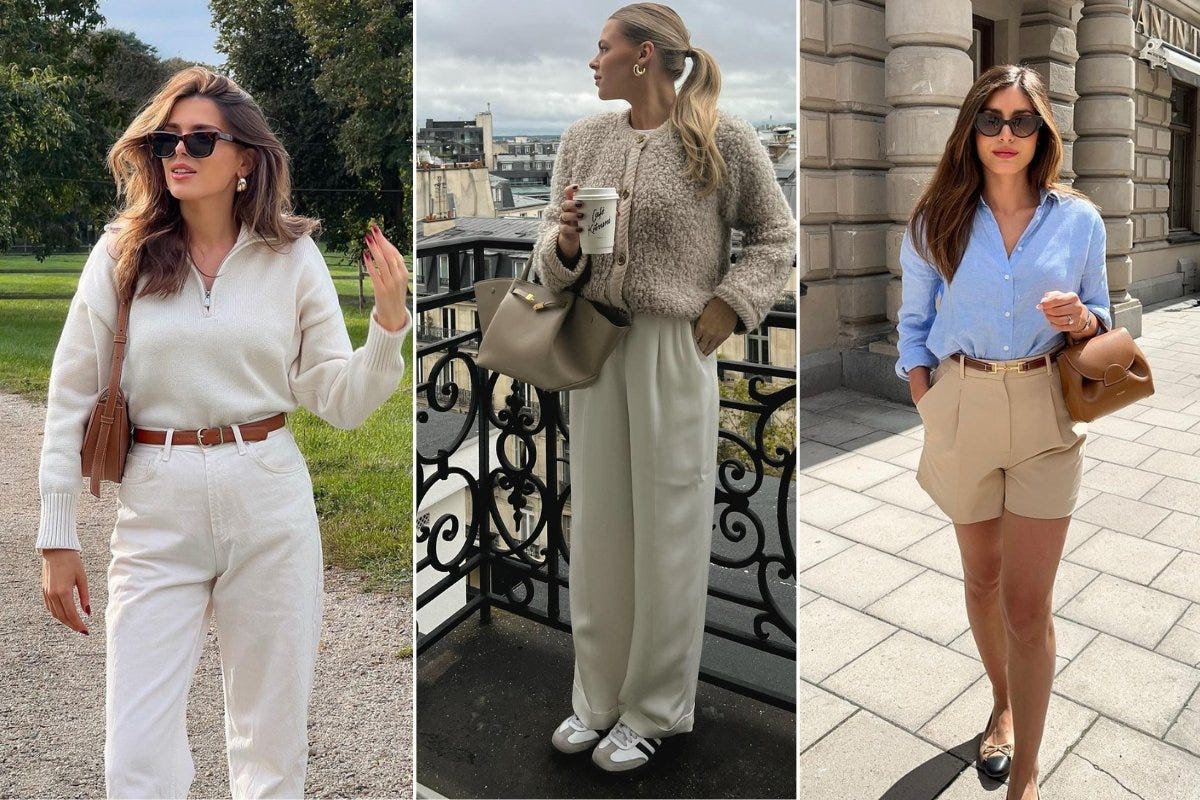
I mean, it’s nice. I like it. I would wear all of these outfits. It’s just not old money.
Online, old money aesthetic is imagined as a uniform of polished neutrality: beige blazers, crisp white shirts, pleated trousers, loafers without socks, silk scarves tied just so. The colours are safe—camel, navy, cream, black—and the silhouettes are borrowed from boarding schools, tennis clubs, and yacht decks that most creators have never seen. Hair is slicked back or softly blown out, makeup is “clean,” and the goal is to look expensive without appearing to try. The references are vague but consistent: Blair Waldorf, Princess Diana, European summers, generational wealth (blood diamonds and so on). Said blogs and TikToks teach old money style is defined less by trends and more by repetition, by rewearing, mending and reusing.
At the same time, TikTok’s version of old money is deeply paradoxical and even funny. The look is assembled through Zara hauls, SHEIN links, and dupes for The Row or Ralph Lauren, turning an aesthetic they claim built on longevity into one of rapid consumption. What is framed as timeless is constantly refreshed; what is meant to be inherited is bought new every season. I guess, it reveals a collective desire to look stable, refined, and untouched by urgency in an economy that rewards and demands the opposite.
But the dissonance is not even the funniest bit.
Let’s have a look how old money people ACTUALLY dress.
This is Grand Duchess Maria Vladimirovna of Russia (The Ronamov family), you don’t get more old money than that. I will be honest, I don’t actually know if she has any money nowadays, but something tells me she does. What she undeniably has is lineage so old it predates modern capitalism, titles that survived exile (questionably), and a social position. Whether the money sits in trusts, properties, jewels, or nowhere at all is almost irrelevant. Old money has always been as much about symbolic capital as financial capital—history, continuity, the weight of a name that has outlived regimes. But you would probably not think all this if you looked at her outfits. I am pretty sure my grandmother Nina has that exact same top from the second image.


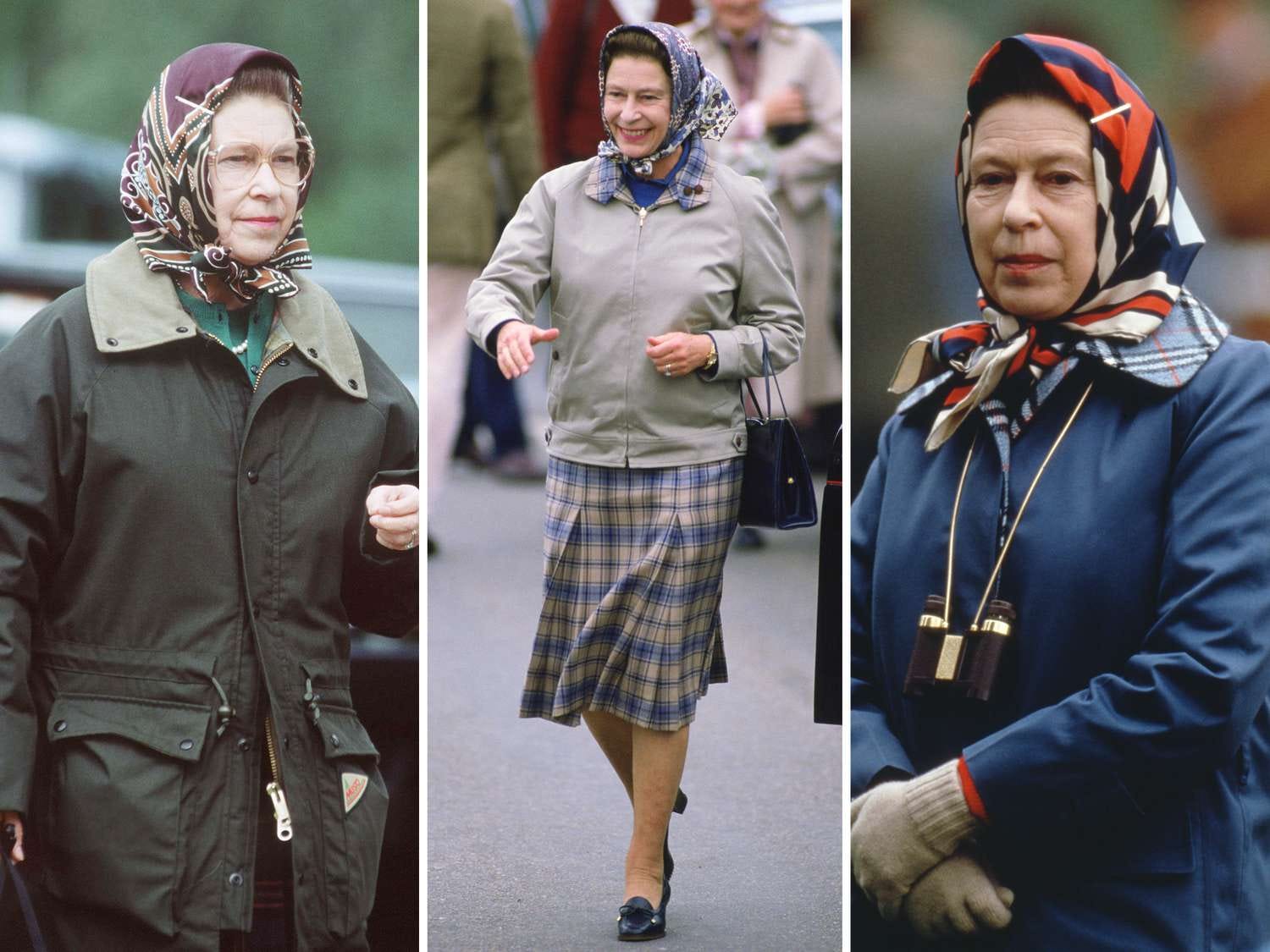
We all know Queen Elizabeth (RIP) for her colourful outfits, but what did she wear when she was out and about? My grandmother Lydia (also RIP) dressed exactly like her, maybe not in Barbour.
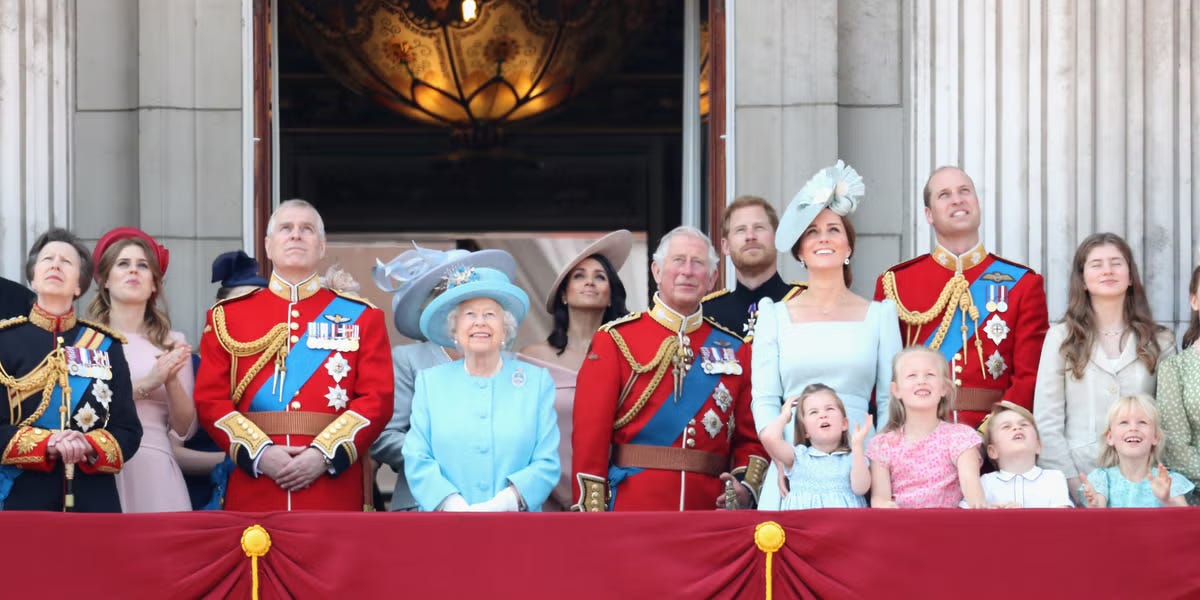
Cartoons Hate Her wrote about the royal family: “When they’re decked out in their finery for public appearance, they dress in a maximalist, almost costumey style…it’s giving Selkie/Wes Anderson collab.” I couldn’t agree more.
Princess Diana was a style icon because she cared about clothes, because she experimented, because she used fashion as communication, not because she embodied some pure, inherited old-money aesthetic. In fact, much of what we now retroactively label as “old money style” in her wardrobe came later, when she had agency and a very clear understanding of how clothes could project freedom, desirability, and control. Diana dressed well because she liked and understood fashion. Old money, by contrast, often doesn’t.
Which brings us Princess Diana’s wedding dress. Monumental, overworked, aggressively romantic, and completely unconcerned with subtlety. It is, to be blunt, astonishingly ugly. Too much taffeta, too many ruffles, an ego-inflating train. And yet: that’s old money. Or at least, that’s aristocratic reality.
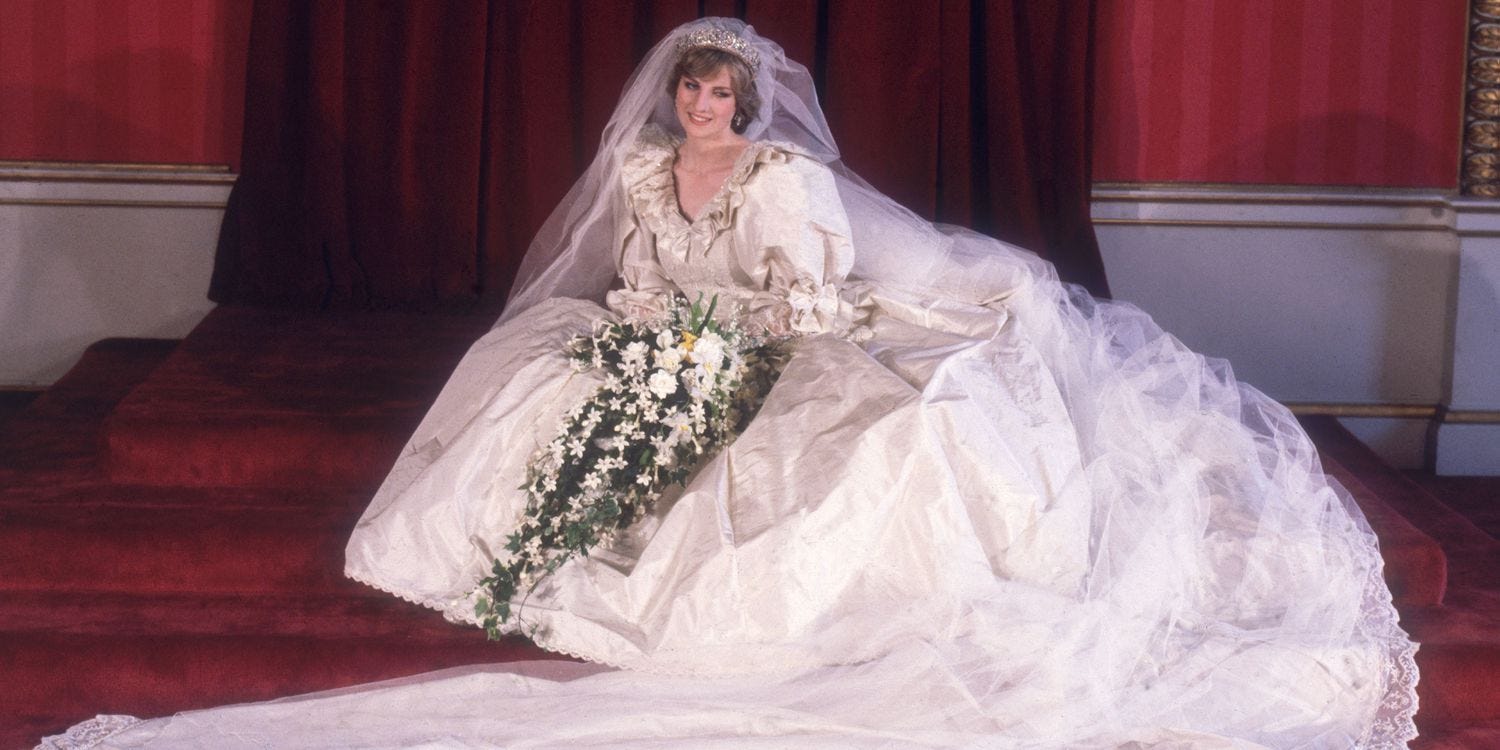
Lady Kitty Spencer looks…normal? Average?

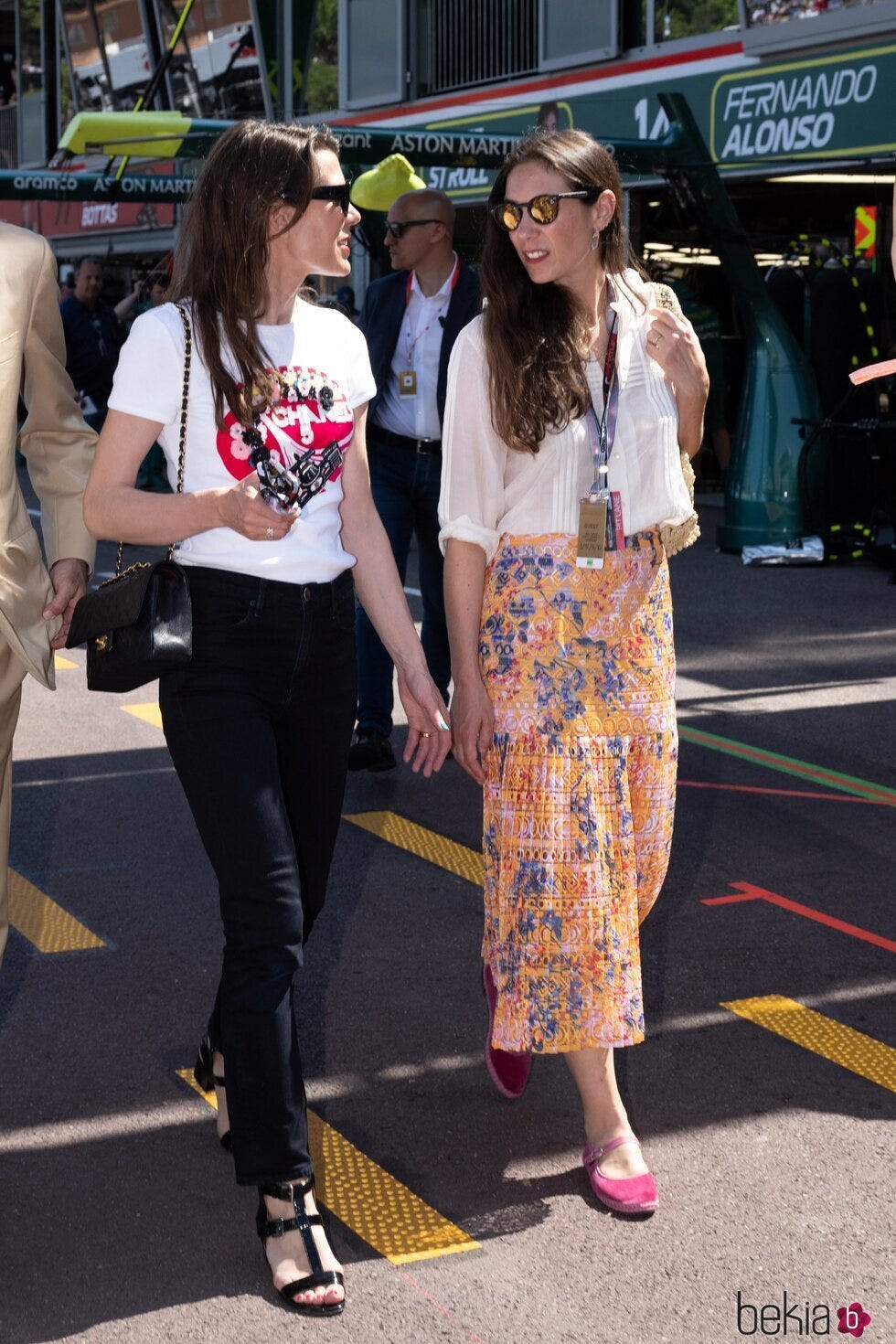
Carlota Casiraghi and Tatiana Santo Domingo. They did not get the TikTok memo.
There’s no effort to look old money, no beige cosplay, no quiet-luxury signaling. Their clothes often look slightly off, slightly dated, occasionally boring.
The Rothschild family. They are dressed in clothing that is somewhat practical, and absolutely unremarkable. There is little evidence of styling meant to register as even remotely fashionable.

I could give a lot more examples but I feel like I proved my point. I would also include men but, I believe, most men, money or not, dress pretty boring.
What TikTok calls old money style is really just a fantasy of control meant to suggest stability in an unstable world. Or maybe I am digging too deep and it’s simply…elegant?
Here is a piece of advice: if you want to dress like old money, dress boring or straight up ugly.
princess eugenie and beatrice are prime examples of old money style aka no style. truly hideous outfits on display at every turn. Princess Diana truly is the exception not the rule when it comes to old money style
this reminds me of the manicure discourse. Old Money TikTok suggests you get french tips. Old Money Women often seem to opt for no polish at all, or no-polish polish, but if you try to copy that look and come up short it doesn't read as "effortlessly chic" so much as "effortlessly hobo"