

Does Doing Botox Make Me a Bad Feminist?
Is it a wrinkle or is it “a lifetime of kissing, of speaking and weeping?”

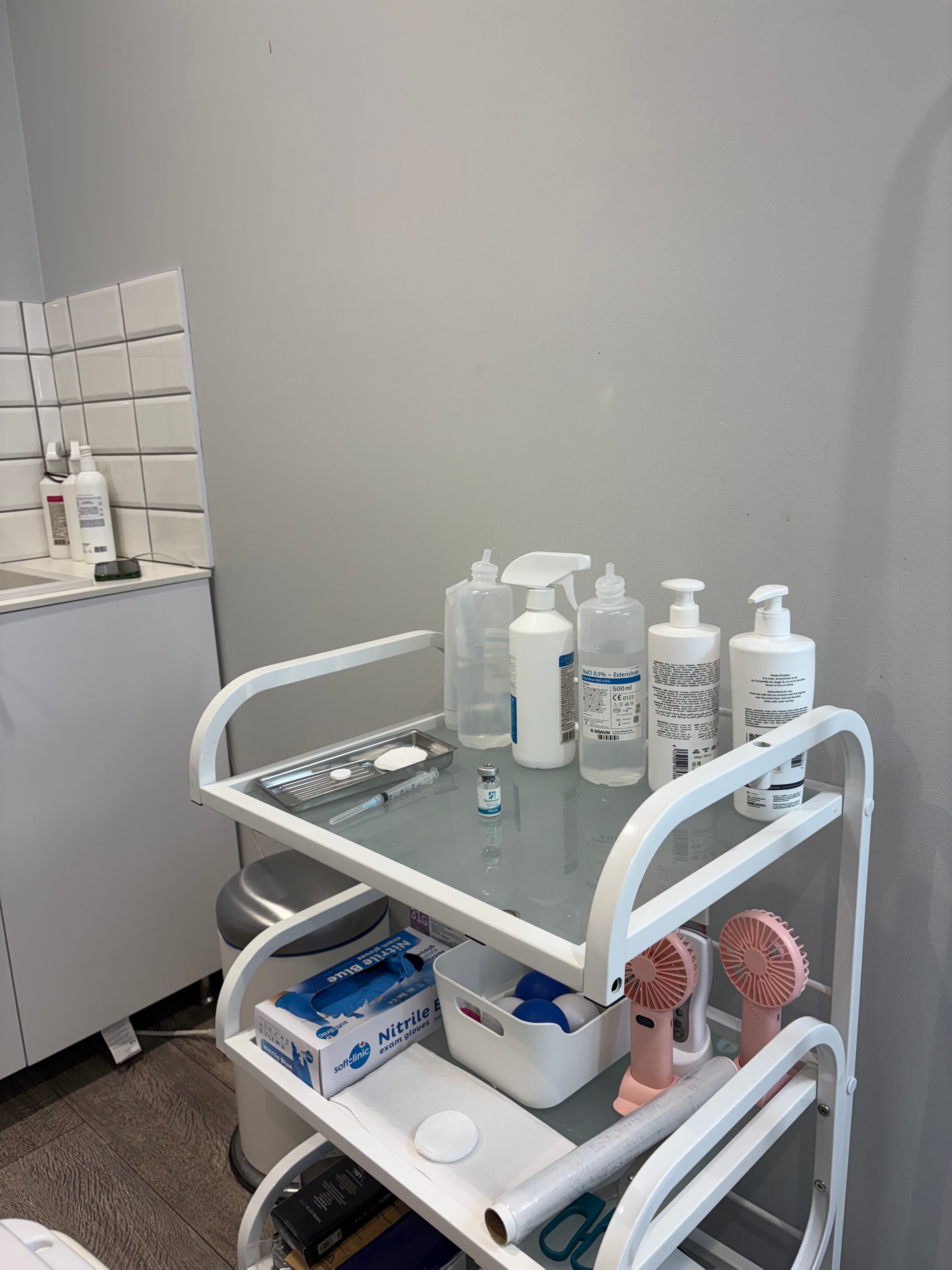
The doctor asks me to frown, and I do. On command, the face arranges itself into that familiar contraction. She studies it closely, not unkindly, and begins to make small, precise marks on my skin. She explains that the botulinum toxin comes as a powder, and that she will mix it with sodium chloride to make it injectable. Her tone is calm and almost soothing. I watch her hands as she prepares it. I think of the fact that she is the wife of one of my best friend’s ex boyfriend. Likely, I am not afraid of needles.
It strikes me odd that so much of what we call care operates on this principle: the controlled application of something painful or harmful, transformed by dosage and intention into something beneficial. The difference between toxin and treatment is, in this sense, a matter of precision. Like many things in life, I suppose.
She tells me my face is asymmetric. I know that and don’t particularly care. Most faces are asymmetric. She tells me I have pre-rosacea and would benefit from Jalupro HMW. I don’t know what it is but nod - sounds reasonable.
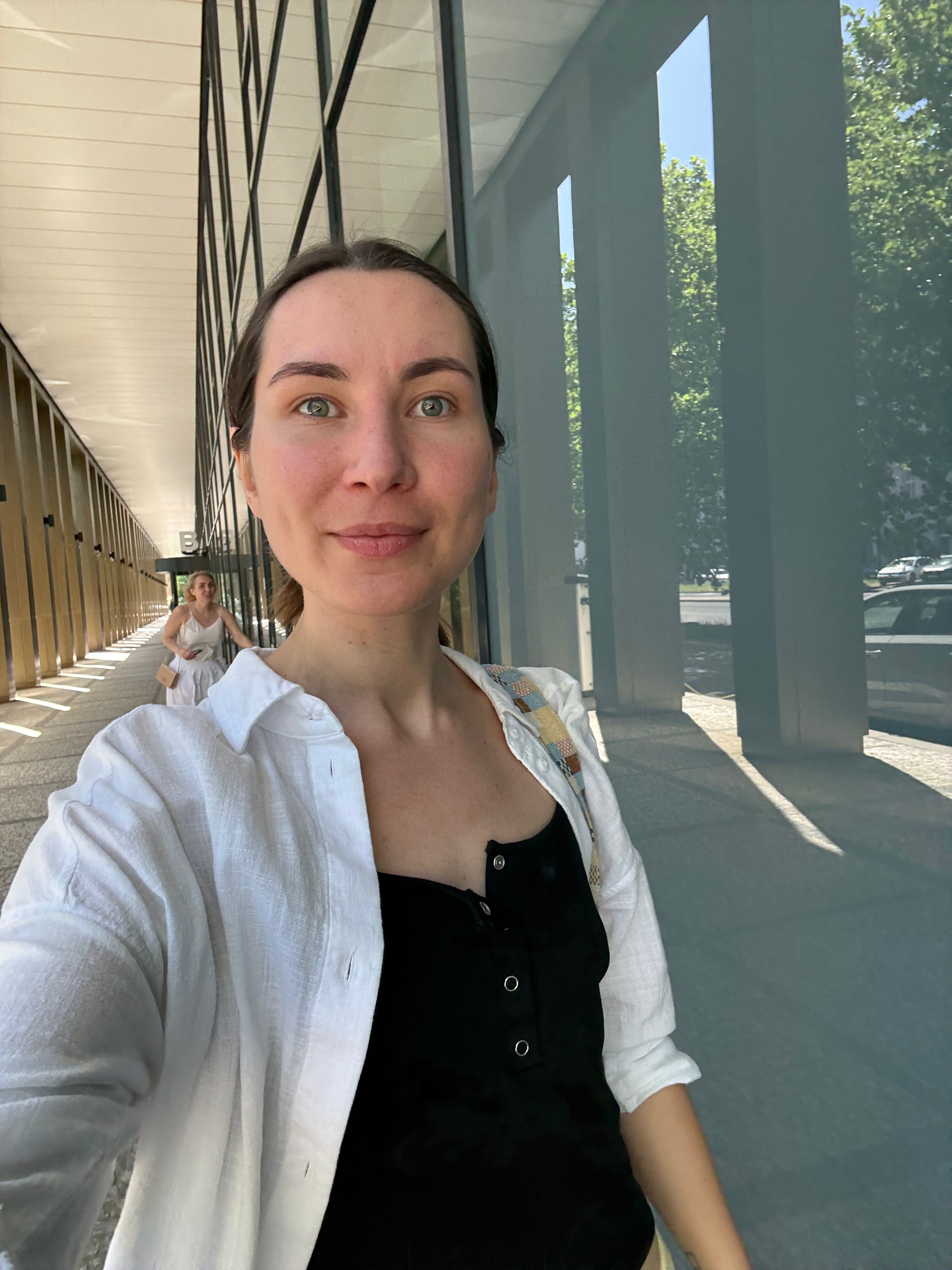
You need to know two things about me: I am a somewhat vain person. Not horribly vain, but vain nevertheless. And I have, generally, by the grace of god, the confidence of an eighty-year-old man.
I am aware that these facts appear, at first glance, incompatible. Vanity suggests a certain fragility, a dependence on reflection, on how one is seen and received. And if you’ve ever met an eighty-year-old man, you can imagine a kind of indifference I mean, a settled authority, the assumption that one’s presence requires no justification. Not my fault that god made so perfect, is it? But if you think about it, the conbination somehow makes perfect sense.
I am aware of how I look. I am also, most of the time, unbothered by it, except for one thing (or two) - my elevens. And so I take care of it. If I had a lot more money and time, I’d probably spend some of it on facials and microneedling and microdermabrasion and other procedures, because I think they are quite lovely. They make me feel like a lady who lunches/movie star + they give you an hour of lying still in a quiet room - honestly, what a dream.
Occasionally, I come across essays and collections of photographs celebrating natural aging. They feature older wrinkled women drinking wine, swimming in the ocean, wearing the most spectacular orange kaftans and green bikinis, no bother for wrinkles or loose skin. They look magical - unbothered, sunlit, complete. I love them. Almost immediately, I wonder if I am doing something wrong with my life. Should I simply not care? Should I let it go and do what I like? And then, more unsettlingly: what is it that I actually like? I know what I don’t like. I know, for instance, that I do not like my frown. This feels like a small, harmless preference but the moment I follow it to its logical conclusion, it expands into something else. Is it unfeminist of me? Does it mean I have succumbed to the patriarchy? Did I choose it, or was it chosen for me? Where, exactly, is the line? Is skincare too much? Are haircuts too much? Is it all for the male gaze? At what point does care become correction, and correction become submission? I use retinol. It promises a better appearance. Botox promises the same. The difference, I am told, is one of degree, of invasiveness. But this feels like a technical distinction rather than a moral one. Both participate in the same idea: that the face can be improved. What unsettles me is not the existence of these options (I like to have options!), but the impossibility of locating a stable boundary between the acceptable and the excessive.